Essential Herb and Spice Pairings for Flavorful Cooking
In the world of culinary arts, the importance of herb and spice pairings cannot be overstated. They are the building blocks of flavor, serving as a bridge between the ingredients and the dish itself. Whether you’re a budding home chef or a seasoned professional, understanding the harmonies and contrasts of these flavor components can elevate your cooking to new heights.
This comprehensive guide will delve into the essential pairings that every cook should master, alongside expert tips and recommendations to help you create flavorful dishes that will impress anyone.
Understanding the Foundations of Flavor
Before diving into specific pairings, it’s crucial to understand the historical and cultural significance of herbs and spices. For centuries, these ingredients have not only been used for flavor enhancement but also for their preservative and medicinal properties.
Understanding their origins—like how the Mediterranean regions favor oregano, basil, and rosemary, while Indian cuisines prominently feature cumin, coriander, and turmeric—gives invaluable insights into their ideal pairings.
Step-by-Step Guide to Essential Herb and Spice Pairings
Each herb and spice has a unique profile, evolving flavor notes, and aromatic qualities. Here’s a breakdown of classic pairings you should incorporate into your culinary repertoire:
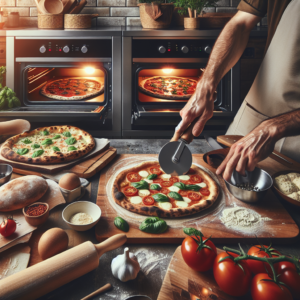
- Basil and Oregano: A match made in Italian cuisine, this pairing is perfect for tomato-based sauces, pizzas, and marinades. Combining these two herbs creates a robust flavor that complements the sweetness of ripe tomatoes.
- Cumin and Coriander: Often found together in Middle Eastern and Indian dishes, cumin offers an earthy warmth while coriander presents citrusy nuances. They work harmoniously in curries, lentil dishes, and spice blends like garam masala.
- Rosemary and Thyme: These two evergreen herbs impart a fragrant aroma to roasted meats, vegetables, and even bread. Their woody notes can add depth to soups and stews.
- Dill and Chives: Frequently used in Scandinavian cuisine, dill enhances the freshness of fish dishes, while chives add a mild onion flavor. This pairing shines in creamy dressings and potato salads.
- Ginger and Garlic: The dynamic duo in many Asian dishes, combining these two ingredients adds a strong, zesty kick to stir-fries, marinades, and soups.
- Parsley and Lemon Zest: This pairing provides brightness to dishes, especially seafood and chicken recipes. The fresh, herbaceous notes of parsley counterbalance the acidity of lemon.
For those interested in learning more nuanced flavor profiles, consider visiting the Culinary Institute of America, which explores the science behind cooking ingredients.
Techniques for Perfect Pairings
Mastering the art of pairing herbs and spices transcends simply knowing which ingredients complement one another. Here are a few techniques to enhance your culinary skills:
- Balance flavors: Understand the balance of flavors by harmonizing bitterness, sweetness, sourness, and saltiness in your dishes.
- Time your combinations: Add delicate herbs like basil and parsley near the end of the cooking process to retain their freshness. In contrast, sturdier herbs and spices, such as rosemary or cumin, can be added earlier for maximum infusion of flavor.
- Experiment with ratios: Don’t be afraid to adjust the amounts. A pinch of cinnamon can add a warm depth to savory dishes, while a handful of parsley can amplify freshness.
For further in-depth flavor science, check out Serious Eats, a resource dedicated to exploring cooking in an academic way.
Chef’s Secrets: Insider Tips for Flawless Pairings
Here are three pro tips to take your herb and spice pairings to the next level:
- Toast your spices: Before adding ground spices to your dish, consider toasting them in a dry pan. This step releases essential oils and enhances their flavor.
- Use fresh whenever possible: Dried herbs tend to lose potency over time. Use fresh herbs for a more vibrant flavor, and save dried herbs for slow-cooked dishes.
- Infuse oils and vinegars: Create your own herb-infused oils or vinegars. Let herbs sit in the liquid for a few weeks to allow the flavors to meld.
Essential Gear for Mastering Herb and Spice Pairings
To effectively execute your knowledge, consider investing in these high-quality kitchen tools:
- Mortar and Pestle: This allows you to crush herbs and spices while preserving their natural oils and aromas.
- Herb Scissors: These make chopping herbs quick and efficient, ensuring an even cut without bruising.
- Spice Grinder: Allows for fresh grinding of spices, preserving their natural oils and flavors.
Conclusion
Understanding the essential herb and spice pairings is a vital step in unlocking the art of flavorful cooking. By experimenting with these combinations and ensuring you have the right techniques—and tools—you’ll be able to create dishes that not only satisfy but also impress everyone at the table. Get into your kitchen, gather your herbs and spices, and let your creative culinary instincts take the lead!