Quick Summary for Chefs
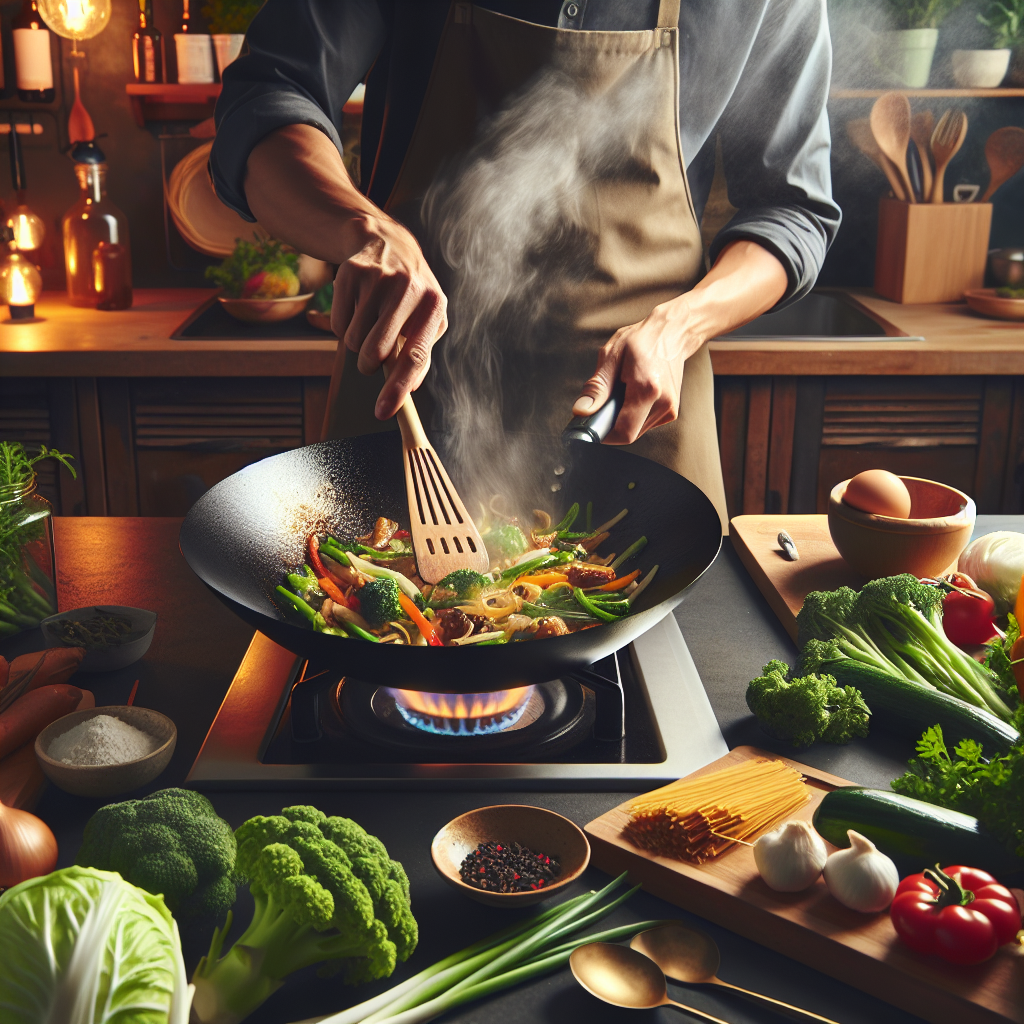
To achieve Wok Hei—the coveted “breath of the wok”—on residential stoves requires understanding essential techniques specific to home cooking. Achieving temperatures between 200°C to 250°C (392°F to 482°F) is paramount, along with using an effective wok, high smoke point oils, and precise food prep. Techniques such as tossing and timing ensure that your stir-fries achieve that distinctive charred aroma and taste. With the right approach and equipment, any home chef can create restaurant-quality stir-fried dishes.
Introduction
In the culinary realm, Wok Hei is often compared to a secret ingredient—an elusive quality that transforms ordinary stir-fries into extraordinary flavor-packed dishes. Though traditionally associated with high-powered commercial woks, it’s possible to replicate this coveted effect in a residential kitchen. As home cooks seek to bring authentic Asian flavors to their dining tables, understanding how to achieve Wok Hei on residential stoves becomes paramount. This guide will not only explore the history and techniques behind Wok Hei but also provide practical steps for successfully stir-frying like a pro at home.
Culinary Data Specifications
| Parameter | Value (°C) | Value (°F) | Notes |
|---|---|---|---|
| Ideal Wok Temperature | 200 – 250 | 392 – 482 | Achieving Wok Hei requires high heat. |
| Cooking Oil Smoke Point | 200 – 260 | 392 – 500 | Use high smoke point oils for best results. |
| Stir-Fry Time | 2 – 5 minutes | – | Quick cooking ensures freshness and texture. |
| Ingredient Cut Size | 1 – 2 inches | – | Uniformity aids in even cooking. |
Comprehensive Professional Guide (Part 1)
The Essence of Wok Hei
Wok Hei refers to the unique flavor and aroma imparted by the wok’s high temperature during cooking. Essentially, it is the charred quality of food cooked in seasoned iron or carbon steel woks. Achieving this characteristic is not just about heat; it involves the interplay of temperature, food quality, and cooking technique.
Historically, cooks in Southeast Asia have perfected these techniques to maximize flavors and retain the integrity of ingredients. The rapid cooking process ensures that vegetables remain crisp, while proteins develop a beautiful sear without becoming dry.
Technique Breakdown
-
Selecting the Right Wok:
- A carbon steel wok is ideal as it can withstand high temperatures and develops a natural non-stick surface with use.
-
Heating the Wok:
- Preheat your wok over medium-high heat until it starts to smoke. This is the first sign that your wok is ready.
-
Choosing the Right Oil:
- Opt for oils with high smoke points like peanut, canola, or grapeseed oil. Avoid olive oil, as it can result in burnt flavors.
-
Proper Ingredient Prep:
- Ensure all ingredients are prepped and ready to go before you start cooking. Everything should be cut into uniform sizes for even cooking.
-
Cooking Technique:
- Implement the “toss and stir” technique. Use a spatula to toss the ingredients quickly, making sure each piece comes in contact with the hot surface of the wok.
Key Takeaways So Far
- Ideal Temperature: Aim for 200°C to 250°C (392°F to 482°F) for best results.
- Use High Smoke Point Oils: Essential for achieving Wok Hei.
- Uniform Ingredient Prep: Ensures even cooking and crisp textures.
- Preheat the Wok: Until smoking, to achieve high sear and flavor.
Comprehensive Professional Guide (Part 2)
Advanced Techniques for Achieving Wok Hei
Layering Flavors
-
Marinating Ingredients: Prior to cooking, marinate proteins in a mixture containing soy sauce, sesame oil, and cornstarch. This aids in flavor absorption and creates a nice glaze when stir-fried.
-
Aromatics: Start with aromatics like garlic, ginger, and scallions in the oil before adding main ingredients. This will enhance flavors and create layers in the dish.
Timing is Everything
-
Add Ingredients in Batches: If cooking larger amounts, consider adding ingredients in stages, starting with denser items like meats, followed by quick-cooking vegetables. This method allows the wok to retain optimal heat.
-
Controlling Heat Levels: If things start to smoke too much, lower the heat slightly to prevent burning, then return to high when ready to stir fry effectively.
Step-by-Step Stir-Frying Instructions
-
Preheat the Wok: Heat your wok until it begins to smoke lightly.
-
Add Oil: Introduce a high smoke point oil, swirling to coat the surface.
-
Add Aromatics: Quickly toss in garlic or ginger, swirling for a few seconds until fragrant.
-
Insert Proteins: Add marinated proteins, allowing them to sear without stirring immediately.
-
Layer Vegetables: Add vegetables based on cooking time—from hardest to softest.
-
Season and Toss: Use soy sauce or oyster sauce during the last minute of cooking and toss quickly for an even coating.
-
Serve Immediately: Wok Hei is best enjoyed fresh out of the pan.
Interactive Ingredients & Gear Checklist
- [ ] High Smoke Point Oil (peanut, canola, or grapeseed)
- [ ] Carbon Steel Wok
- [ ] Aromatics (garlic, ginger, scallions)
- [ ] Proteins (chicken, shrimp, or tofu)
- [ ] Vegetables (bell peppers, broccoli, carrots)
- [ ] Soy Sauce or Oyster Sauce
Chef’s Secrets (Pro Tips)
-
Use a Lid: For thicker sauces, cover the wok briefly to trap steam, enhancing the cooking process and flavor melding without overcooking.
-
Keep a Clean Wok: After use, clean your wok thoroughly and season it with oil to maintain its non-stick surface and prevent rusting.
-
Use a Router Fire: Place a heat diffuser under your wok if using a residential stove to concentrate and optimize the heat.
Essential Gear
-
High-Quality Carbon Steel Wok: A thick, durable wok that allows for excellent heat retention and distribution, ensuring perfect searing and flavor development.
-
Spatula or Wok Turner: An angled spatula is crucial for tossing ingredients efficiently without damaging your pan or food.
-
Infrared Thermometer: Helps achieve and monitor ideal cooking temperatures for accurate stir-frying.
Conclusion
Achieving Wok Hei on a residential stove is not just possible—it’s a culinary adventure waiting to be explored. By focusing on high temperatures, selecting the right ingredients and equipment, and mastering your technique, you can create authentic, flavorful stir-fries reminiscent of your favorite Asian restaurants. Don’t shy away from experimentation; dive in and allow your creativity to flourish.
As you hone your skills and refine your process, you’ll find that cooking becomes more than just a necessity—it transforms into an art form, with each stir-fry a canvas for your culinary brilliance. Get started on your journey today, and let the sizzling sounds and rich aromas fill your home with the spirit of wok cooking!
For further reading on stir-frying techniques, consult the Culinary Institute of America or explore scientific insights at ScienceDirect Food Journals for a deeper understanding of food chemistry in cooking.