Quick Summary for Chefs
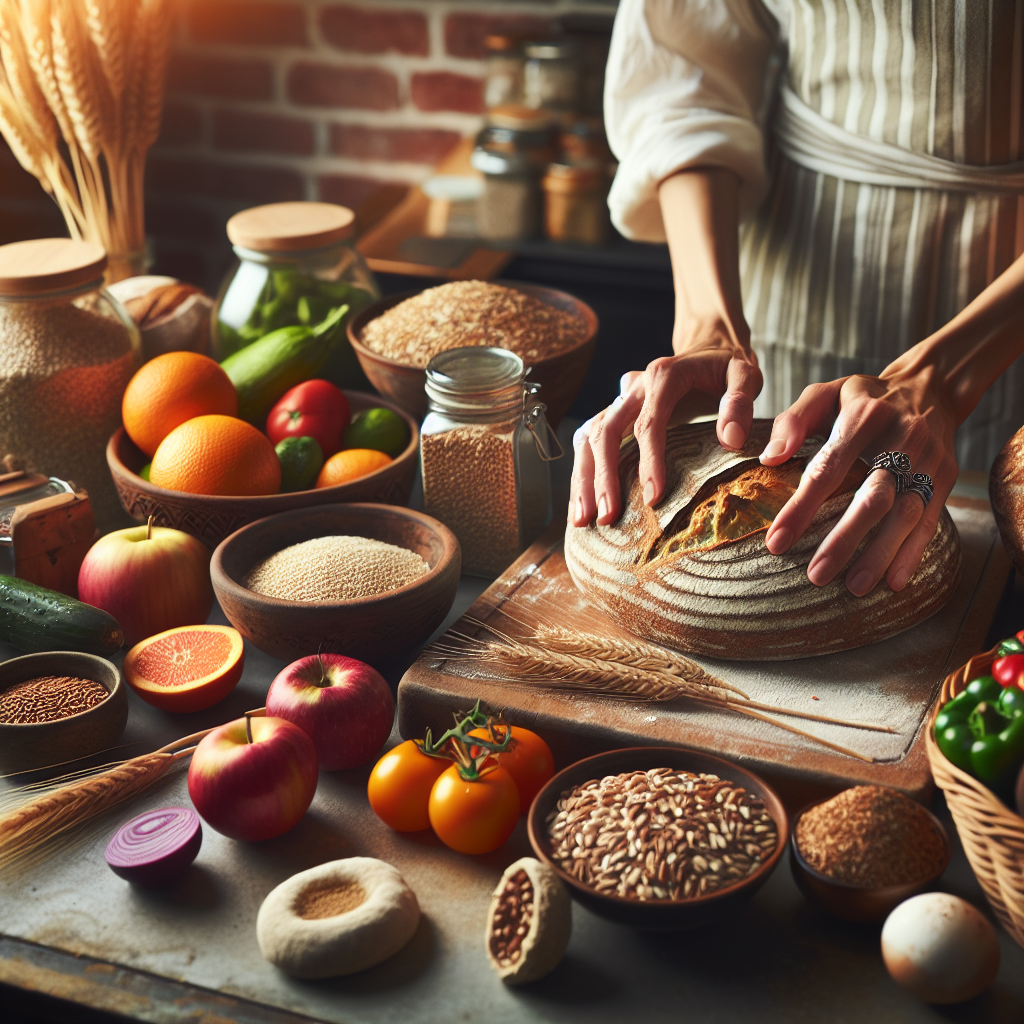
Ancient Grains Sourdough made with **Einkorn** and **Spelt** offers an exceptional blend of **nutritional value** and **unique flavor**. These ancient grains are packed with protein, fiber, and essential minerals, making them an excellent alternative to conventional wheat. The natural fermentation process enhances **digestibility** and **taste**, resulting in a sourdough bread that boasts a complex flavor profile and various health benefits. This article will guide you through the techniques, historical context, and practical execution necessary to create your own nutritious loaf.
Introduction
The resurgence of ancient grains is transforming modern cooking, allowing chefs and home cooks alike to explore flavors that have been cherished for millennia. Among these grains, **Einkorn** and **Spelt** stand out for their rich nutritional profiles and distinct tastes. When paired with the art of sourdough fermentation, they create a loaf not only delicious but also nutritionally superior to the standard bread options available today. Ancient Grains Sourdough with **Einkorn** and **Spelt** is more than just a trend; it’s a celebration of health, flavor, and culinary heritage.
Culinary Data Specifications
| Data Point | Value |
|---|---|
| Prep Time | 20 minutes |
| Rest Time | 12-24 hours |
| Baking Temperature | 220°C (428°F) |
| Hydration Level | 70% moisture |
| pH Level (fermentation) | 4.5 to 5.0 |
Comprehensive Professional Guide (Part 1)
To truly understand the beauty of crafting **Ancient Grains Sourdough**, it’s essential to explore the historical significance of **Einkorn** and **Spelt**. Einkorn, one of the oldest cultivated grains, dates back over 10,000 years. Its genetic makeup has remained largely unchanged, ensuring a nutritional profile higher in protein and lower in gluten than modern wheat. On the other hand, Spelt, hailed as a cousin of wheat, offers a hearty, nutty flavor that lends itself beautifully to sourdough baking.
**Fermentation** plays a crucial role in developing the flavors of sourdough bread. Utilizing a **starter** made from wild yeast allows for a natural leavening process, producing lactic acid bacteria that enhances flavor complexity and helps break down gluten. This process not only helps in digestibility but also enhances the bread’s nutritional profile. When baking with ancient grains, you should note that their unique moisture absorption differs from modern flours. Thus, adjusting hydration levels in your dough is critical.
Key Takeaways So Far
- Einkorn and Spelt are ancient grains with superior nutritional profiles.
- Fermentation with wild yeast produces unique flavors and enhances digestibility.
- Understanding moisture absorption is crucial for successful sourdough baking.
Comprehensive Professional Guide (Part 2)
Now that you’re familiar with the fundamentals, let’s dive into the specific steps for making **Ancient Grains Sourdough** with **Einkorn** and **Spelt**. Here’s a concise process:
Ingredients
-
– [ ] 200g Einkorn flour
– [ ] 200g Spelt flour
– [ ] 400g water (room temperature)
– [ ] 100g active sourdough starter
– [ ] 10g sea salt
Step-by-Step Process
- Mix the Dough: Combine the Einkorn and Spelt flour in a large mixing bowl. Add the water and the active sourdough starter. Stir until fully incorporated. The mixture should be sticky and shaggy.
- Autolyse: Allow the dough to rest for 30 minutes. This process helps the flour to hydrate and starts gluten development.
- Add Salt: After resting, sprinkle the salt over the dough and mix well. You may need to wet your hands to prevent sticking.
- Bulk Fermentation: Cover the bowl with a damp towel and let the dough rise at room temperature for 4-6 hours, turning it every 30 minutes for the first 2 hours (a process known as stretch and fold).
- Pre-shape: Once the dough has doubled in size, turn it onto a lightly floured surface and gently shape into a round. Let rest for 20-30 minutes.
- Final Shape: Shape the dough as desired (round or batard) and place it in a lightly floured proofing basket. Cover and let rise for another 2-4 hours (or overnight in the fridge).
- Baking: Preheat your oven to **220°C (428°F)** along with a Dutch oven if using. Once hot, carefully place the dough into the Dutch oven, score the top with a sharp blade, and cover. Bake for 30 minutes covered, then remove the lid to bake for an additional 15-20 minutes until golden brown.
- Cool: Let the bread cool completely on a wire rack before slicing to ensure optimal texture and flavor.
Interactive Ingredients & Gear
-
– [ ] Active sourdough starter
– [ ] Mixing bowl
– [ ] Measuring scale
– [ ] Bench scraper
– [ ] Proofing basket
– [ ] Dutch oven
– [ ] Wire rack
Chef’s Secrets (Pro Tips)
- Hydration Adjustment: Experiment with hydration levels based on season and humidity; wetter doughs provide more flavor development.
- Fermentation Temperature: For optimal fermentation, maintain a consistent temperature (26-28°C or 78-82°F) for your dough during bulk fermentation.
- Longer Resting Times: Allowing dough to rest longer enhances its flavor; consider an overnight fridge rest for improved sourness.
Essential Gear
1. Digital Kitchen Scale
A high-precision kitchen scale ensures accurate measurements, which is crucial when working with flour and water ratios in baking.
2. Banneton Proofing Basket
This specially designed basket helps shape your dough and allows for adequate airflow to prevent sticking during the final rise.
3. Dutch Oven
Utilizing a Dutch oven mimics a professional steam-injected oven environment, vital for creating a crispy crust while retaining moisture within the bread.
Conclusion
Creating **Ancient Grains Sourdough** with **Einkorn** and **Spelt** is a rewarding endeavor that connects us to our culinary roots while offering an avenue to incorporate healthier grains into our diets. The unique flavors, nutritional benefits, and artisanal quality of this bread make it a worthwhile addition to any chef’s repertoire. Embrace the journey of sourdough baking, and discover the beauty of flavors that have stood the test of time. For further reading, check out [The Grain Institute](https://www.graininstitute.com) or [Food Research International](https://www.foodresearchinternational.com) to deepen your understanding of ancient grains and their benefits.