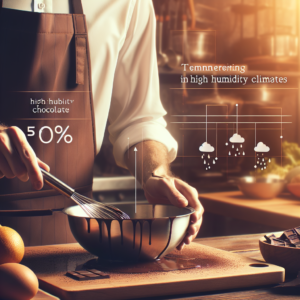
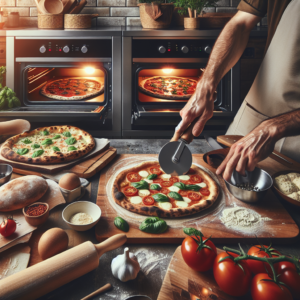
In the culinary world, precision is key. One of the most crucial aspects of achieving culinary perfection lies in understanding and mastering kitchen temperature control. Whether you’re a budding home cook or an aspiring chef, knowing how to control and utilize temperature can transform your dishes from mediocre to extraordinary. This article will delve into detailed kitchen temperature control tips, ensuring you achieve flavorful outcomes every time you step into the kitchen.
The Importance of Temperature Control in Cooking
Every recipe you encounter has a specified temperature for a reason. Temperature not only impacts the texture and flavor of your food but also plays a critical role in food safety. Cooking at the right temperature can prevent the growth of harmful bacteria, while also ensuring that flavors are fully developed and ingredients are properly cooked. Knowledge of temperature control also extends to techniques like sous-vide cooking, which relies entirely on precise temperature management.
Comprehensive Professional Guide to Kitchen Temperature Control Tips
1. Understanding Temperature Zones
Different cooking methods require different temperature zones. Here’s a breakdown:
- Low Heat: This zone usually operates between 200°F to 300°F (93°C to 149°C). Ideal for simmering sauces, slow cooking, and tenderizing tough cuts of meat.
- Medium Heat: Ranges from 300°F to 400°F (149°C to 204°C). This is optimal for baking pastries, cooking eggs, and sautéing vegetables.
- High Heat: Defined as temperatures above 400°F (204°C). Perfect for searing meats, stir-frying, and broiling.
2. Calibrating Your Oven
Understanding that not all ovens heat equally is vital. An oven thermometer can pinpoint the discrepancies between the set temperature and the actual temperature. Most of us assume our oven is set to 350°F but it may run hotter or cooler. To learn more about effective oven use, visit the Serious Eats guide on oven temperatures.
3. The Science of Carryover Cooking
Food continues to cook after being removed from the heat. This phenomenon, known as carryover cooking, can raise the internal temperature of meats by as much as 5-10°F (3-5°C). This is particularly important when cooking large cuts of meat, such as roasts, where the differential may significantly impact texture and moisture.
4. Using Thermometers for Accuracy
Investing in a quality digital meat thermometer will help you achieve desired doneness without guesswork. Check the USDA guidelines for minimum safe cooking temperatures. A great source for exploring food safety is the US Department of Agriculture’s Food Safety and Inspection Service.
5. Mastering Sous-Vide Techniques
Sous-vide, meaning “under vacuum,” is a method where food is vacuum-sealed and cooked in a water bath at an precisely controlled temperature. This technique allows for even cooking and retention of flavor and nutrients. To truly excel at this, a high-quality immersion circulator is essential.
Chef’s Secrets: Insider Tips
1. The Ice Water Bath Trick
For perfectly cooked vegetables, particularly when blanching, always finish them in an ice water bath. This halts the cooking process and locks in vibrant colors; it’s a simple tip that professional chefs swear by for maintaining texture.
2. Resting Meat at Room Temperature
Before cooking steak or chicken, allow it to rest at room temperature for about 30 minutes. This helps to cook your meat evenly, rather than having a cold center.
3. Utilize the Finger Test for Doneness
Instead of relying solely on a thermometer, professionals use the ‘finger test’ to gauge poultry and steak doneness. It’s an intuitive method that can save time, especially when cooking multiple dishes.
Essential Gear for Mastering Temperature Control
1. Digital Instant-Read Thermometer
A high-quality digital instant-read thermometer allows you to accurately gauge the internal temperature of your food. Quick readings ensure less heat loss from the oven and more reliable results.
2. Infrared Thermometer
This gadget is ideal for checking the temperature of surfaces without making contact. Perfect for identifying the right frying temperature for oils or grilling surfaces.
3. Sous-Vide Precision Cooker
If you’re keen to explore sous-vide cooking, get a reliable immersion circulator. This tool makes it easy to achieve accurate and consistent results, elevating your home cooking game.
Conclusion
Temperature control is a vital skill that spans various cooking methods, essentially influencing the outcome of your culinary creations. By implementing the tips and techniques outlined in this article, you will be equipped to cook with precision and confidence. Armed with the right tools and knowledge, perfect cooking is just a step away. Don’t hesitate to put these methods into practice; you may just discover a new passion for culinary perfection!